The Boxer is a fearless and loyal dog, and a great family pet. They are predisposed to many diseases though, so careful observation of your pets daily routine is important. Any significant change in this routine is cause for an examination.
Mast Cell Tumor

Up to 20% of dogs will get a malignant Mast Cell Tumor (MCT) in their lifetime, making it the most common tumor we encounter in dogs. Other names for MCT are mast cell sarcoma, histiocytic mastocytoma, and mastocytosis.
This disease has a cutaneous form (skin) and a systemic form (internal organs). The cutaneous form is more prevalent, and is sometimes referred to as the “great pretender” because the skin growth appearance is so variable. What might seem like just a minor swelling or inflamed area can be a highly malignant cancer. It might also be called the “great fooler” because most people underestimate the problem.
MCTs have the potential to be highly malignant and their treatment needs to be thorough and comprehensive in order to minimize the chance of spread and premature death of your pet. In almost every case the treatment of choice is surgery to remove the tumor. After surgery additional treatment might be indicated.
Hypothyroidism
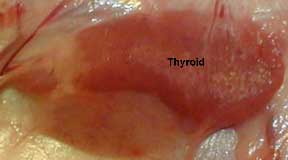 The most common hormone problem encountered in dogs is hypothyroidism. It results when the thyroid gland does not secrete an adequate quantity of thyroid hormone called thyroxine. Many internal organs are affected, and the resulting problem depends on which organs are most affected.
Heart Disease
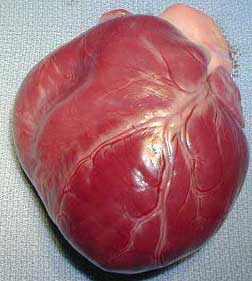 The purpose of the cardiovascular system (heart and blood vessels) is to provide the cells of the body with oxygen, nutrition, and essential fluids. It also helps these same cells rid themselves of waste products, and distributes hormones and enzymes to allow for normal physiologic processes. It is even a big part of temperature regulation. All of this is no small feat when you consider the fact that the cardiovascular system must supply these needs to a body that contains billions of individual cells.The cardiovascular system is very complicated and does not lend itself to a simple explanation and categorization of its functions. Therefore, the sections on physiology and pathophysiology are a little complex, but if you get through them it will help in your understanding when we talk about specific diseases along with their diagnosis and treatment. You may need to go through them more than once. You might notice that we repeat important concepts more than once, and from different angles.